Unattended Payment Terminal Use Cases that PSPs Need to Prioritize
Listen to this article
Payment service providers (PSPs) have numerous opportunities to provide unattended payment solutions to businesses in the APAC region. Use cases include parking payment systems, EV charging payments, public transit fares, and car washes. Unattended payment solutions are also in demand from vending operators, retailers, and restaurants. PSPs need a payment technology partner that can provide secure unattended payment devices that can easily integrate, with flexible connectivity options, and that comply with all PCI and regional regulations.
Adoption of unattended payment solutions is accelerating worldwide, and savvy payment service providers (PSPs) are positioning themselves to capitalize upon this growth. Rising labor costs, consumer use of cashless and contactless payments, and the need to keep service available 24/7 are key drivers in a global market valued over $2.95 billion and projected to reach $5.83 billion by 2032, according to Data Bridge Market Research. The Asia Pacific region is expected to lead that growth, outpacing every other region as digital payment adoption, urbanization, and modernized retail and banking infrastructure accelerate across the region.
Nowhere is the appetite for self-service clearer than in Japan, where decades of vending machine culture offer a preview of where unattended commerce is headed. And as Kiosk Asia observed, “What makes APAC so important [as a proving ground for modern self-service] is the combination of dense retail environments, mixed payment habits, strong consumer comfort with digital interaction, and a practical need for unattended systems that can scale without constant redesign.”
For PSPs, that mix of scale and diversity creates room to grow across several verticals. Modern payment platforms, including flexible Android POS solutions, give providers the foundation to support these evolving unattended environments while adapting to different merchant and consumer needs.
Where Demand for Unattended Payment Solutions Is Growing
Self-service kiosk providers and kiosk integrators have a significant opportunity to meet growing demand across several unattended payment environments:
Parking Systems
Parking is one of the largest unattended payment segments across Australia, Singapore, Japan, South Korea, and Southeast Asia, making it a priority market for PSPs looking to expand their unattended payment solutions into both off-street and on-street parking.
Parking lots and garages can accept card and mobile payments at entry or exit gates, or through self-service payment kiosks that validate tickets, helping keep traffic flowing while reducing the need for on-site staff.
On-street parking presents a more demanding environment. Payment terminals and kiosks operate outdoors around the clock, requiring hardware that is:
- Vandal-resistant to withstand tampering and physical abuse.
- Weatherproof to endure harsh weather conditions including rain, snow, and UV exposure.
- Durable enough to deliver reliable performance for years with minimal maintenance.
As cities modernize their parking infrastructure, payment technology providers are investing in solutions designed specifically for outdoor unattended environments.
EV Charging Stations
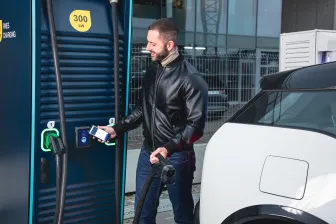
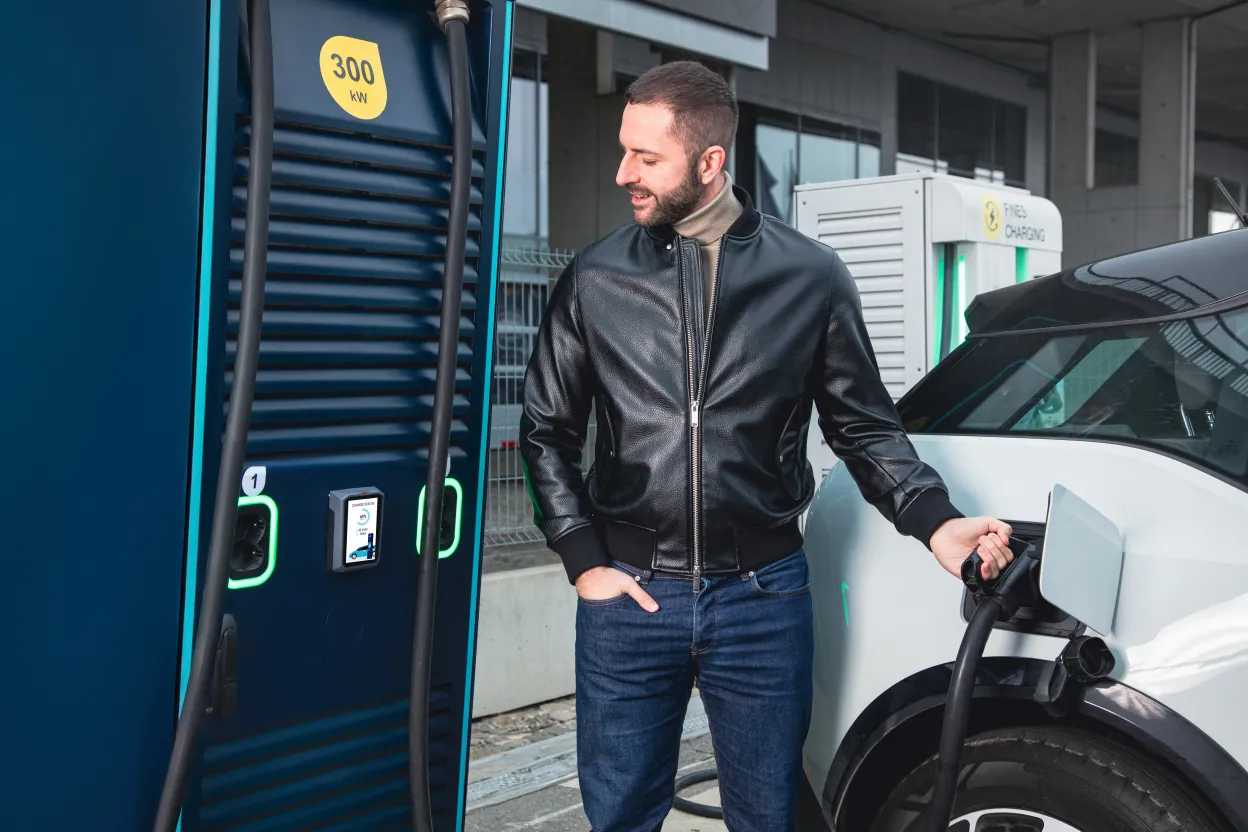
The rapid expansion of electric vehicle (EV) infrastructure across the APAC region is creating strong demand for unattended payment solutions. As governments continue to invest in EV adoption, drivers need fast, convenient ways to pay. A frictionless payment experience means giving drivers the flexibility to use their preferred method, whether that's a contactless card, mobile wallet, QR code, or traditional chip card.
As charging networks continue to expand, remote monitoring and management of payment terminals will become increasingly important. Like parking and vending deployments, EV charging stations are often distributed across large geographic areas, making centralized device management essential for maintaining uptime, rolling out updates, and resolving issues without requiring on-site service.
Public Transit Fares
Open-loop transit payments, where riders tap an EMV card, mobile wallet, or QR code directly at the gate instead of buying a separate transit card, are quickly becoming the standard across major APAC cities. For transit operators, unattended payment terminals increase passenger flow, reduce lines at staffed ticket counters, and lower the costs associated with issuing and managing proprietary fare cards.
As with parking and EV charging, transit ticketing often requires payment hardware that can withstand heavy daily use and challenging outdoor conditions while remaining easy to manage remotely. Flexible platforms, including Android POS technology, can help PSPs support evolving payment requirements while simplifying integration across multiple transportation environments.
Vending Machines
Japan, South Korea, Singapore, and China have some of the world's largest vending networks, with contactless and mobile payment acceptance becoming the standard. At the same time, the definition of vending is expanding well beyond traditional snack and beverage machines.
High-value and unattended retail concepts accelerated following the pandemic. Pizza vending machines, for example, have grown to more than 2,000 new deployments annually. Connected refrigerators and micro markets are now common in offices and breakrooms, while smart lockers for fresh food pickup continue to gain traction.
For PSPs, supporting these deployments means delivering unattended payment solutions that integrate seamlessly into the vending machine while enabling operators to efficiently manage large, distributed fleets that increasingly extend beyond climate-controlled indoor environments. Payment terminals deployed in transit stations, campuses, and other public spaces must meet the same durability, weatherproofing, and remote management requirements as parking systems and EV charging stations.
Self-Service Retail
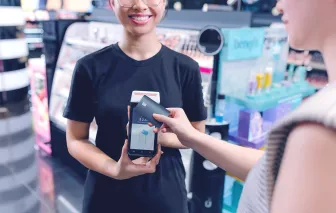
Supermarkets, convenience stores, and other retailers are rapidly expanding self-service checkout to reduce labor costs, improve operational efficiency, and speed transactions. Consumer expectations are reinforcing this shift. Waitwhile reports that three in five shoppers have abandoned a purchase rather than wait in a checkout line.
By automating routine transactions, self-checkout enables retailers to reallocate associates to higher-value activities, such as assisting customers, replenishing inventory, and improving the overall shopping experience.
The APAC region is projected to be the fastest-growing self-checkout market in the world, with unmanned retail formats fueling even greater adoption. PSPs can capitalize on this trend by providing unattended payment solutions for retail that keep customers moving and stores operating efficiently.
Quick-Service Restaurants (QSRs)
Self-ordering kiosks have become a standard fixture at fast-food restaurants and cafe chains across the APAC region, driven by changing consumer preferences. Samsung research shows that 66% of consumers choose a self-service kiosk over a staffed register when given the option, citing speed and convenience. At the same time, digital ordering can increase average order value by as much as 42% by making it easier to promote add-ons and upsells that might otherwise be overlooked.
For QSR operators, the payment terminal is a critical part of the customer experience. It must process transactions quickly and reliably during peak service periods while supporting the payment methods customers expect, including contactless cards, mobile wallets, and QR code payments. For PSPs, that means delivering unattended payment solutions that combine speed, reliability, and easy remote management to maximize uptime in high-volume restaurant environments.
Car Washes
Car washes are one of the fastest-growing unattended payment verticals, with Data Bridge Market Research projecting the category will outpace every other unattended application through 2032. They're also among the most demanding environments for payment hardware. Terminals operate outdoors year-round, exposed to humidity, high-pressure water, and harsh cleaning chemicals that can quickly degrade standard equipment. Self-service laundromats also present many of the same challenges, combining constant moisture with heavy public use.
For PSPs, this combination of rapid market growth and extreme operating conditions makes ruggedized, weatherproof, and chemical-resistant payment terminals a competitive differentiator.
Choosing the Right Terminal for Unattended Payment Solutions
Not every payment terminal is designed for unattended environments. A terminal that performs well indoors may not withstand the demands of outdoor kiosks, transit stations, or self-service retail. Before selecting a partner, PSPs should evaluate three essential capabilities.
Integration and Connectivity
Unattended payment terminals are just one component of a larger self-service solution. Whether deployed in a parking kiosk, EV charger, vending machine, or self-checkout system, the terminal must integrate seamlessly with displays, controllers, printers, and other connected hardware to deliver a smooth customer experience.
Reliable connectivity is equally important. In locations without a dedicated network connection, cellular connectivity helps ensure transactions continue uninterrupted. PSPs should also look for solutions that support development on flexible Android POS platforms, along with remote device monitoring, software updates, and fleet management to minimize downtime and reduce the need for on-site service.
Compliance
Meeting payment security standards is essential for any unattended deployment. At a minimum, terminals should be Payment Card Industry PIN Transaction Security (PCI PTS) and Unattended Payment Terminal (UPT) certified to help protect cardholder data in unattended environments. Depending on where the solution is deployed, PSPs may also need to consider regional payment, accessibility, or regulatory requirements to ensure ongoing compliance.
Security
Unattended payment terminals are exposed to the public around the clock, making physical security just as important as digital security. Look for terminals designed to resist tampering, card skimming, and other forms of payment fraud through secure card readers, PIN entry devices, and rugged construction. Choosing terminals that meet applicable security certifications can help reduce fraud risk while protecting both merchants and consumers.
The Value of the Right Payments Partner
Success in unattended payment solutions requires a partner with the experience to help PSPs navigate the unique demands of each deployment. Years of real-world experience translate into better products, continuous innovation, and faster implementations. Rather than starting from scratch for every new project, PSPs benefit from field-tested designs, proven integrations, and certifications that help accelerate time to market while reducing development and deployment complexity.
The right partner also understands that a payment terminal is only one part of a successful unattended solution. Working closely with kiosk manufacturers, vending solution providers, and systems integrators ensures payment acceptance is seamlessly integrated from the outset, creating a better experience for both operators and end users.
As unattended payment adoption continues to accelerate across the APAC region, PSPs need a platform that can support multiple use cases without compromising on security, durability, or manageability. Ingenico delivers a proven unattended payment portfolio backed by the expertise, partnerships, and global experience needed to help PSPs confidently expand into new markets and applications.
Contact us to learn how Ingenico can support your next unattended payment deployment.
FAQs
Android POS terminals are built for self‑service and unattended use through rugged, weather‑proof enclosures (IP65/IK09), universal payment acceptance (chip‑&‑pin, contactless, QR, NFC, etc.), and modular hardware that can be tailored with readers, cameras or printers for kiosks, vending or parking stations. Cloud-based Payment terminal management services (Ingenico 360) enable remote updates, health monitoring and subscription‑based value‑added features, while the Android OS (e.g., AXIUM SX series) provides on‑device AI capabilities for fraud detection, personalized upselling and predictive maintenance, delivering a secure, flexible and revenue‑generating solution for unattended environments.
Yes—Ingenico’s unattended terminals are designed with multiple, PCI‑aligned security layers. They embed Product Key Infrastructure at manufacture for tamper‑detect and encrypted communications, use remote key‑injection and HSM‑certified tools to protect cryptographic keys, and apply OnGuard P2PE encryption that secures cardholder data end‑to‑end. In addition, built‑in anti‑skimming sensors and the Ingenico 360 alert service detect and respond to skimming attempts in real time, further safeguarding unattended deployments.
Unattended Ingenico terminals turn a checkout into a fast, friction‑free experience. They support every payment method, work in both indoor and outdoor kiosks, and are built to be robust, user‑friendly and vandal‑resistant, so shoppers can simply tap or insert their card and walk away without waiting for a cashier. The result is shorter queues, smoother self‑service, and a more secure, reliable shopping journey that boosts customer satisfaction.
Ingenico’s unattended terminals are overseen from a central, cloud‑based platform (Ingenico 360). The solution lets you push OS and application updates, change parameters, run diagnostics, inject security keys and monitor device health in real time—all without a technician on site. Ingenico 360 also provides remote terminal access, customizable alerts and two‑factor‑protected web‑portal login to keep the fleet secure.
For Telium 2‑based unattended devices, Ingenico offers the IngeTrust Remote Solution, which renews PKI certificates remotely to keep the terminals compliant and operational after the ten‑year certificate life‑span.
Together, these tools give you end‑to‑end remote management—from initial commissioning (see the iSelf Series commissioning guide) to ongoing updates, security key injection and certificate renewal—ensuring unattended terminals stay up‑to‑date and secure without on‑site intervention.
Unattended Ingenico terminals are packaged as Self‑service modules that manufacturers can embed directly into kiosks, vending machines or other self‑service enclosures. Partners receive a “Self /x000” cash‑less payment kit (e.g., Self 2000/4000/5000) and must follow the documented mechanical, electrical and software interfaces to mount the terminal, connect power, network (Ethernet, GPRS/4G) and any peripheral (camera, printer) . Ingenico also provides a modular “All‑in‑One” solution with pre‑qualified mounts and optional PIN‑entry or contactless‑only configurations, plus remote management (Ingenico 360) to push updates and monitor health without on‑site visits . This combination of standardized hardware interfaces, detailed integration documentation and cloud‑based lifecycle services lets kiosk builders quickly and securely embed unattended payment terminals into their devices.