NRF’26: Welcome to the Future of Commerce
Listen to this article
The NRF’26 agenda included keynotes, sessions, Expo meetings, and networking time focused on the hottest topics in retail. Takeaways included the trend for retailers to focus on AI solutions, create immersive shopping experiences, adapt to Gen Z preferences, and make payments low-friction and convenient.
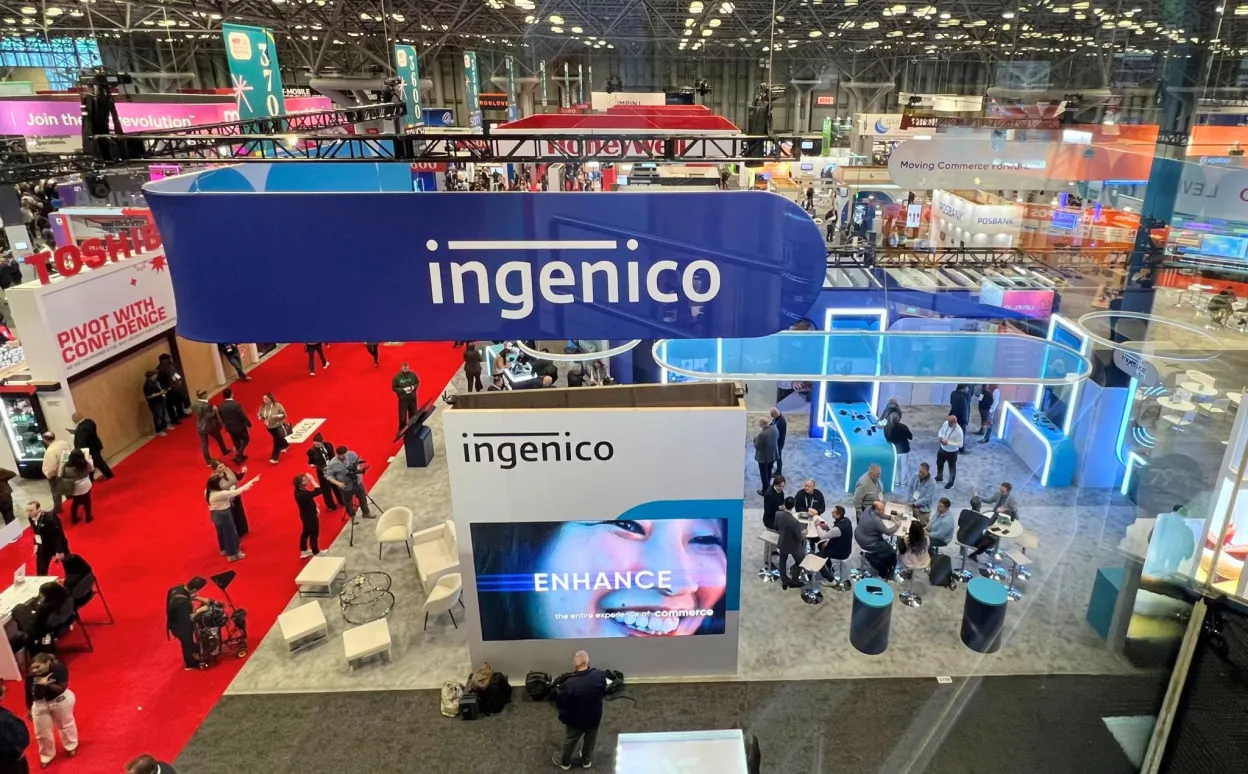
NRF’26 Retail’s Big Show wrapped up January 13, and after we processed the three days of keynotes, sessions, Expo displays, and one-on-one discussions, we came to this conclusion: The future of commerce is here. If you missed the show, here are some of the most important things you need to know to navigate your business, whether you’re a retailer, acquirer, or point of sale (POS) independent software vendor (ISV).
Retailers Are Focusing on AI with the Most ROI Potential
Use cases for artificial intelligence in retail were everywhere at NRF’26. However, retailers appear to have focused on using AI to provide the greatest value to their brands. For example, NRF reports that in a discussion with PwC, LVMH, and Louis Vuitton executives discussed how AI can benefit the creativity that a luxury brand is known for. Louis Vuitton designers use AI to support designers, helping them to visualize materials and test colors, while they focus on craftsmanship and the narrative behind their products.
In a Sunday morning NRF’26 Retail’s Big Show keynote, Alphabet and Google CEO Sundar Pichai announced that Google has invested in the “full stack of AI,” including technical infrastructure, research, and products. NRF reports that Pichai envisions AI driving personalized context and agentic AI handling tasks for consumers. AI is the key to helping consumers find products, compare pricing, and summarize reviews from billions of listings, as easily as having a natural conversation.
NRF reported that Abercrombie & Fitch is rethinking its content strategy, adding a “single view of the product” to continue to build a “single view of the customer.” Product data enables matching items to the prompts that consumers use with AI to make their buying decisions.
Immersive, Experiential Is Changing In-Store Shopping
Retailers, particularly those with physical locations, continue to strategize about ways to stay relevant in an ever-changing culture. CMSWire shared insights from a session with Outform and Dick’s Sporting Goods, which collaborated to create interactive in-store experiences. Dicks House of Sport concept, where customers can “lift and learn,” receiving content for picking up items from shelves to take a closer look. Stores also include a combination of digital on the floor and the walls, creating an ever-changing, immersive experience.
For Barnes & Noble, community-related events create experiences that their customers love. NRF reported that the bookseller has redesigned stores with a local focus, celebrating local authors and sports teams, holding book drives, and summer reading programs. This strategy has made the bookstores a place where people gather.
Retailers Are Unlocking Secrets to Gen Z Customer Satisfaction
Gen Z consumers have unique attributes, but NRF reported that PacSun has discovered that these consumers want to create and tell stories along with retailers. The company has launched a community-based app that allows creators to tell their own stories, work with PacSun on future lines, and even earn affiliate commissions.
PacSun has also adapted its marketing and business strategy to align with the importance that GenZ places on physical and mental health. One recent initiative included donating a portion of sales from a promotion to Selena Gomez’s Rare Impact Fund to support youth mental health. A factor in making it work is to find ways to integrate these initiatives seamlessly into the brand’s operations.
Payments Are Key to Making the Future of Commerce Work
While personalizing engagements, streamlining processes with AI, and creating immersive experiences are trending, retailers are also focused on optimizing payment experiences. The NRF’26 Expo gave retailers the opportunity see how to integrate or embed payments into their strategies.
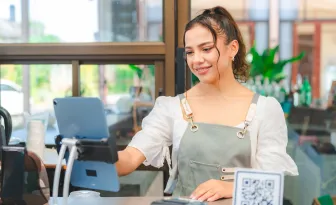
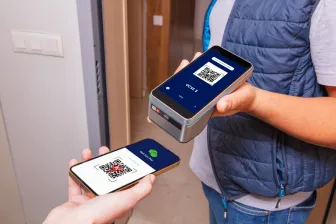
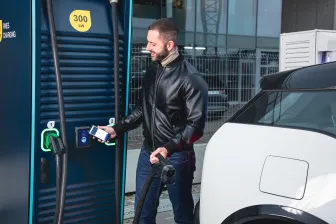
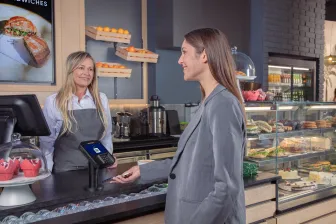
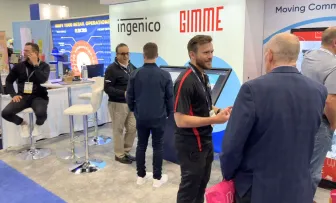
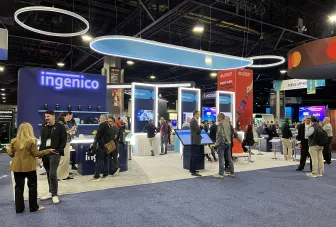
Many discussions at the Ingenico booth centered on our AXIUM Android platform that allows retailers to accept the full range of payment types, including alternative payments, and to run business applications on Android payment terminals. We also saw interest in payment terminals that retailers can use anywhere inside or outside the store to make checkout convenient and personalized. We had a lot of questions about Ingenico SoftPOS, which allows retailers to accept contactless payments directly on mobile devices, and biometric payments using palm vein mapping that allow consumers to pay only with a scan of their hands.
Payments will always be fundamental to retail, but the future of commerce will include payments that are low-friction, convenient, and personalized. At NRF’26, we confirmed that retailers are deploying or planning to implement future-forward payment solutions now.
Where to Learn More
The buzz online about NRF’26 is still strong, but if you want an insider’s take on the show, we’d love to connect you with a member of our team who just got back from NYC. You can learn more about AI in retail, creating immersive retail, and adapting customer experiences for Gen Z. And of course, you can turn to us as the industry leader to learn more about payment technologies on the cutting edge. Reach out!